HDB resale · Singapore
How to Price an HDB Flat With No Recent Comparable Sales
By Jim Tan · Sources checked 12 November 2026
To price an HDB flat when your block has no recent comparable sales, start with the same flat type, similar floor area and lease age, and the same storey band in nearby blocks. Use the resulting price range as a starting point, and show which filters you had to relax. A town-wide median can give you context when the evidence is thin.
Start with HDB’s resale price search. It lets you check sales in your block and within 200 metres. The method below works across Singapore. I use Bishan Street 12 to show what the search looks like when a block has recent transactions but none match the flat you want to compare.
What counts as a comparable HDB sale?
Record the flat type, floor area, flat model, storey band and lease commencement year before searching. Two four-room flats can differ substantially in size. A much newer block can also sit on the same street as an older one. Start by matching the features that matter to a buyer, then review how recently the sale was registered.
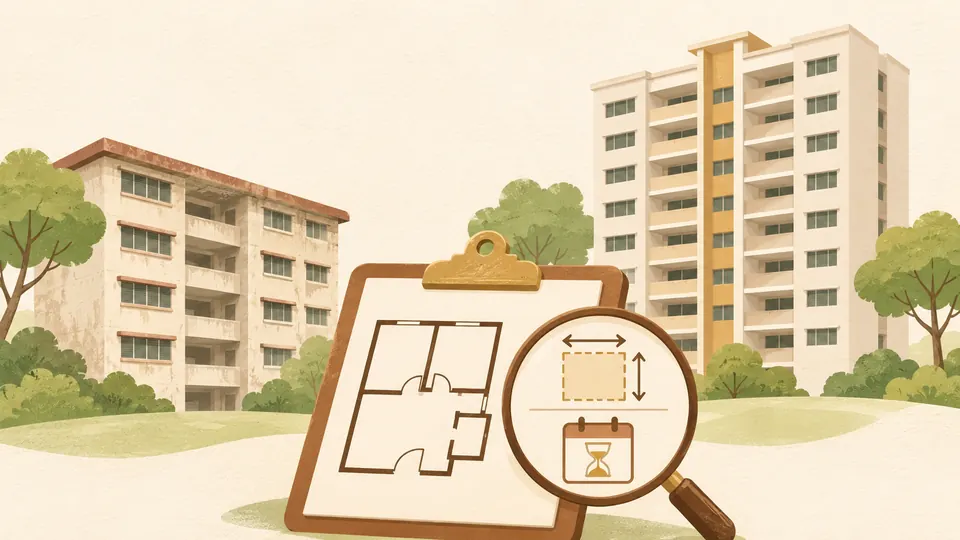
- Flat type and size. Start with the same room type and a similar floor area. Use the flat model to check whether the layout is likely to be comparable.
- Lease. Compare remaining lease as well as the year it started. A newer neighbouring block can attract buyers with different needs and budgets.
- Storey band. Look for the same published range. A record for floors 7 to 9 covers three levels.
- Location and condition. Consider the route to transport, exposure to road noise, outlook and condition. The published price table does not tell you how much each difference contributed.
Where to look when your block has few recent sales
- Check your block first. Separate close matches from records that differ by size or storey band. Keep the weaker matches as context.
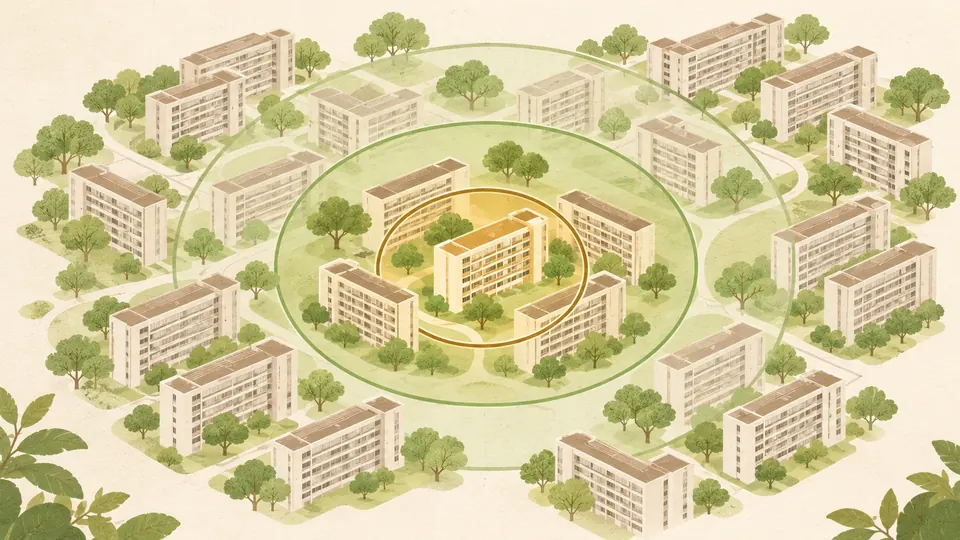
- Expand to nearby blocks. Keep the flat type, area and lease vintage close. A nearby sale on a comparable floor can add evidence when your block only has sales on other floors.
- Widen one filter at a time. Try a slightly older registration window or another comparable cluster. Write down what changed so you can judge whether the added records still help.
- Show the sample size and range. Report the number of records, the lowest and highest price and the median. If the sample is thin or mixed, carry that uncertainty into your asking-price discussion.
Worked example using Bishan Street 12 sales
Suppose you’re researching a four-room Model A flat of about 104 sq m in the 7–9 storey band at Block 115 Bishan Street 12. This is an example profile. I filtered HDB’s published registrations from November 2025 to October 2026 for four-room flats at this block, then looked on the same street for Model A flats of 104–105 sq m in the same storey band, with leases that began in 1985 or 1986.
| Block | Registration month | Storeys | Area (sq m) | Lease start | Price | Comparison role |
|---|---|---|---|---|---|---|
| 115 | 2026-08 | 04–06 | 104 | 1986 | S$836,000 | Same block, different floor band |
| 115 | 2025-12 | 01–03 | 104 | 1986 | S$825,000 | Same block, different floor band |
| 105 | 2026-09 | 07–09 | 104 | 1985 | S$848,000 | Same street, matching floor band |
| 123 | 2026-06 | 07–09 | 105 | 1986 | S$848,000 | Same street, matching floor band |
| 114 | 2026-03 | 07–09 | 104 | 1986 | S$890,000 | Same street, matching floor band |
Source: HDB Resale Flat Prices from January 2017 onwards, via data.gov.sg. Propsbit filtered the dataset on 12 November 2026 and used registrations through October 2026. The month shown is the registration month. Contains information licensed under the Singapore Open Data Licence.
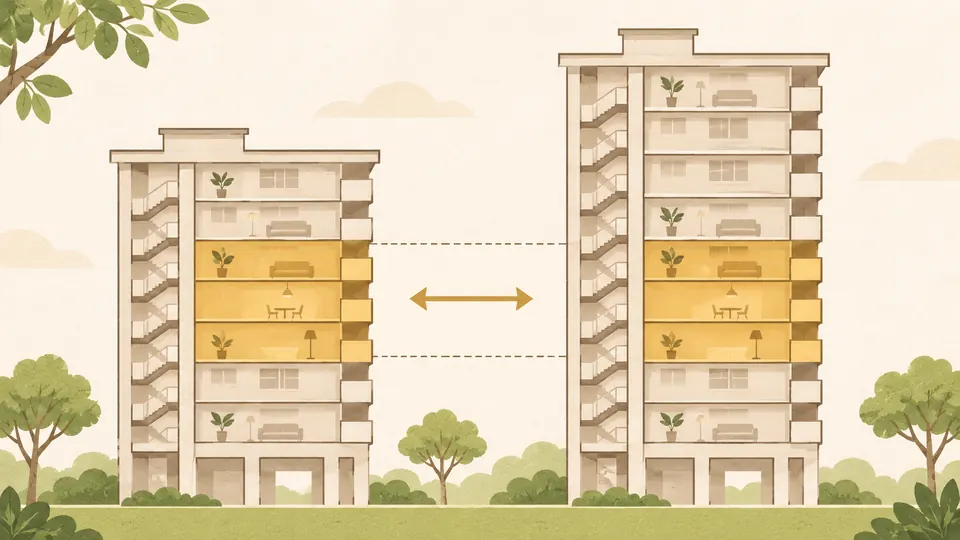
The two Block 115 records were both in lower storey bands. The three same-street sales matched the example’s band and fell between S$848,000 and S$890,000, with a median of S$848,000. The spread was S$42,000 even within those filters. With three records, I would review the individual sales and any known differences before deciding on an asking range. The difference between the two groups cannot isolate a floor premium because the homes and registration months also differ.
How does an estimate differ from the official HDB value?
A resale estimate uses recorded sales to help you research a price. The agreed resale price is what the buyer and seller negotiate. HDB’s Request for Value is a separate step after the seller grants the Option to Purchase (OTP) when the buyer plans to use CPF savings or a housing loan. HDB says the buyer should submit it by the next working day after the Option Date. Check the current HDB Request for Value instructions for the conditions that apply.

Questions HDB sellers ask
Can I use the last sale in my block?
Yes, as one reference. Check the room type, size, storey band, lease and date. If those differ, keep it as context and look for closer matches nearby.
Is the highest sale on my street a good asking price?
Check why that flat was comparable before treating it as a benchmark. A larger layout, different floor or newer lease can make the highest sale a poor guide to your home.
How many sales do I need to estimate a range?
There is no fixed number for this research method. A few close matches can tell you more than many dissimilar sales. Report the count and widen the range of evidence carefully when only one or two records fit.
Does a recent sale tell me what HDB will value my flat at?
Past sales help you frame a range for discussion. HDB’s Request for Value applies to the specific purchase under its process. Use the official instructions when you reach the OTP stage.
Start with your own block
Use the Propsbit property valuation estimate to get a starting point, or see how the records are presented in the Bishan HDB block guides. If remaining lease is the main difference between your shortlisted sales, read the guide to buying an older HDB flat.
